

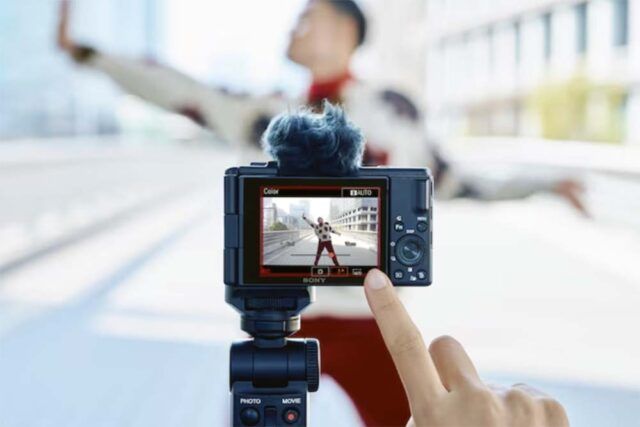
In 2020, Sony released the ZV-1, a compact camera specifically designed for content creators. It was based on the chassis of the popular RX100 series—particularly models like the RX100 V and VI—but optimized for video. The camera received mixed reviews: features such as the ‘Product Showcase’ mode, the built-in neutral density (ND) filter, a three-capsule microphone with good directional pickup, and optical image stabilization were praised. However, it was criticized for its 24–70 mm lens, which was not ideal for selfies or handheld vlogging, and for the lack of a headphone jack.
Its successor, the ZV-1 II, was introduced to address some of these shortcomings. The lens is now an 18–50 mm, offering a wider angle and better suited for vlogging. However, optical stabilization has been removed and replaced by digital stabilization, which introduces additional image cropping. In terms of video, it still records 4K at 30 fps in 8-bit, with no improvements in color depth or codecs, which continues to limit performance in scenes with abrupt lighting changes.
Notable upgrades include a much more functional touch interface—allowing users to navigate menus, tap to focus, or adjust exposure—a USB-C port replacing the older Micro USB, and a redesigned tripod mount that now allows battery changes without removing the accessory, although at the cost of shifting the screw thread off-center.
Despite some inherited limitations, the ZV-1 II is a more appealing option for those who prioritize a wider-angle lens, better usability, and modern connectivity. But let’s take a closer look.
Design and Ergonomics
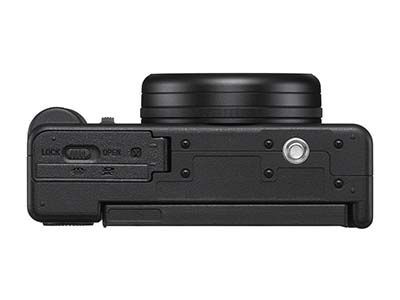
ZV-1: With a compact design based on the RX100, the ZV-1 has a significant limitation: the battery and memory card compartment is located on the bottom, making access difficult when using a tripod.
👉 This can be an issue during long recordings or when working outdoors.
ZV-1 II: It retains the compact form factor of the ZV-1 but improves ergonomics by moving the tripod mount to the side, allowing easy access to the battery without removing accessories.
👉 While more practical, the new position can affect balance on certain mounts.
Lens and Image Quality
ZV-1: Equipped with a 24–70 mm lens inherited from the RX100 VI. While versatile, it may fall short for selfies or handheld vlogs, as it’s not wide enough.
It features optical image stabilization, which helps reduce unintended movement during recording.
👉 Good overall image quality, but limited for close-up vlog-style shots.
ZV-1 II: Features a wider 18–50 mm lens, ideal for self-recording, capturing landscapes, or shooting in tight spaces.
It drops optical stabilization in favor of digital stabilization, which slightly crops the frame (to about 22 mm), though it still offers a wider field of view than the ZV-1.
👉 Gains in field of view, but sacrifices optical stabilization.
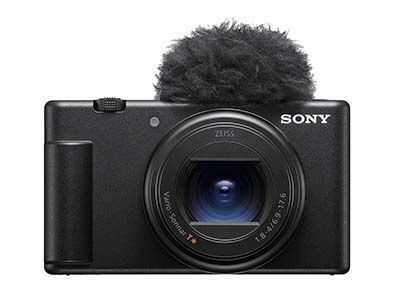
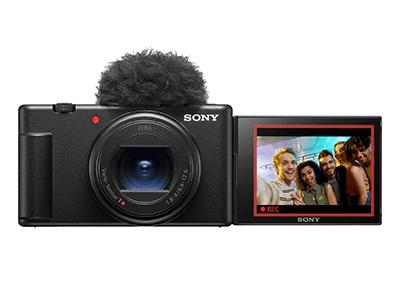
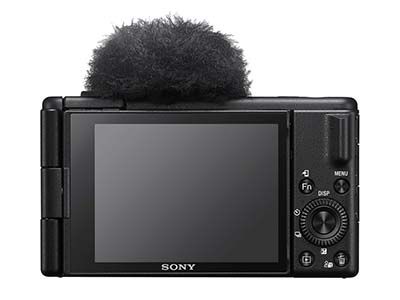
Image Gallery (ZV-1 II)
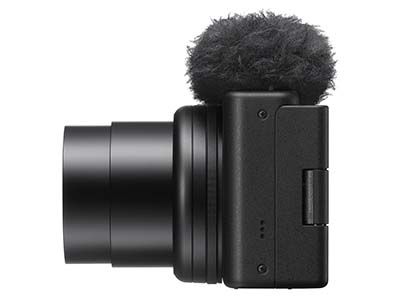
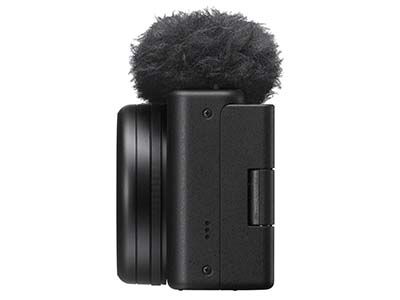
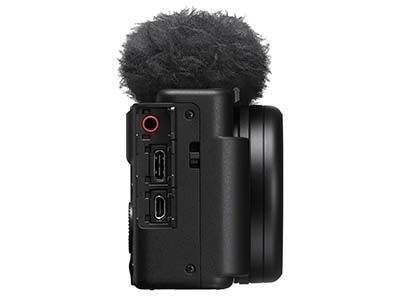
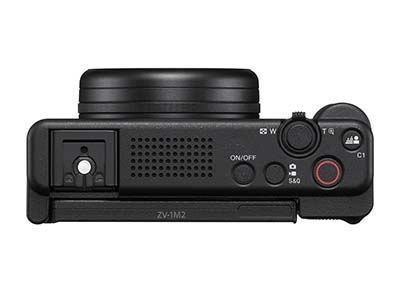
Audio
ZV-1: Comes with a three-capsule microphone that delivers good audio quality, though its front-facing design limits range and directionality.
There is no headphone jack, which prevents real-time audio monitoring.
👉 Suitable for simple recordings, but limited for those who prioritize sound control.
ZV-1 II: Improves the built-in microphone, which now captures sound from multiple directions, providing a more natural pickup in various environments.
Still, it lacks a headphone output.
👉 Audio quality is improved, but it still doesn’t offer advanced monitoring options.
Interface and Usability
ZV-1: The touchscreen has very limited functionality, so most settings must be adjusted using physical buttons.
👉 This can slow down operation during recording, especially in fast-paced situations.
ZV-1 II: Significantly improves the touchscreen interface, now allowing control over almost all functions: menu navigation, tap-to-focus, exposure adjustment, and pinch-to-zoom gestures.
👉 A much faster and more intuitive experience, ideal for shooting on the go.
Features and Functions
ZV-1: Includes features designed for content creators: Product Showcase mode, one-touch bokeh, and skin softening.
Also features a built-in neutral density (ND) filter, useful for shooting outdoors in bright light.
👉 Practical tools to enhance video appearance without complex adjustments.
ZV-1 II: Retains the key functions from the ZV-1 (bokeh, Product Showcase, skin softening) and adds improvements like touch exposure and a shorter minimum focus distance — ideal for capturing close-up objects.
Still includes the ND filter and upgrades to a USB-C port instead of Micro USB, offering faster and broader compatibility.
👉 Enhances shooting versatility and streamlines connectivity.
Bit Depth and File Formats
ZV-1: Records in 4K at 30 fps with 8-bit depth, which is suitable for most creators, though it may show limitations in scenes with rapid lighting or color changes.
👉 Ideal for standard videos but less flexible in challenging conditions.
ZV-1 II: Maintains the same 4K/30 fps recording at 8-bit depth, with no improvements in color depth or formats.
👉 Offers no video quality advantages over the ZV-1.
Comparison Table
| Features | Sony ZV-1 | Sony ZV-1 II |
|---|---|---|
| Design and Ergonomics | Based on the RX100 chassis. Difficult access to battery/memory when using a tripod. | Similar chassis. Improved access by moving the tripod thread off-center. |
| Lens | 24–70 mm (not ideal for selfies) | 18–50 mm (wider angle, ideal for vlogging) |
| Stabilization | Optical | Digital (image crop) |
| Audio | Directional mic, no headphone jack | Improved mic, still no headphone jack |
| User Interface | Limited touchscreen, button-based control | Full touchscreen interface with gestures and advanced controls |
| Special Features | ‘Product Showcase’, one-touch bokeh, skin smoothing, built-in ND filter | Same features + touch exposure and closer focusing distance |
| Connectivity | Micro USB | USB-C |
| Video | 4K/30 fps, 8-bit | 4K/30 fps, 8-bit (no improvements) |
Conclusion
Since the ZV-1 is priced significantly lower than the ZV-1 II, and both cameras have identical image sensors and file formats, the ZV-1 appears more attractive for content creators who want to save money and don’t mind the limitations of a camera that can ultimately deliver the same image quality as the ZV-1 II, plus it features optical stabilization.
The ZV-1 II is the choice for those seeking a more comfortable experience, a wider-angle lens, and a more modern user interface that makes using the camera easier in dynamic situations.
Related:
Buy Sony ZV-1 or Sony ZV-1 II
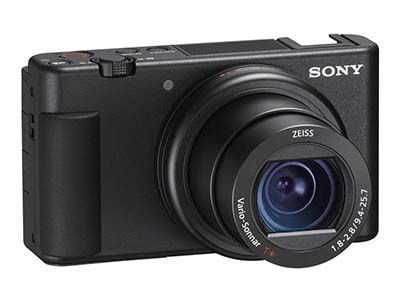
Sony ZV-1
Specs
- Design and Ergonomics: Battery and memory compartment located at the bottom, making access difficult with a tripod mounted.
- Lens: 24-70 mm
- Image Stabilization: Optical
- Audio: Three-capsule noise-canceling microphone (limited range, only points forward). Lacks headphone jack.
- Interface and Usability: Limited touch interface. Use of physical buttons for many functions.
- Functions and Features: Product Showcase display, one-touch bokeh, skin smoothing. Variable neutral density filter.
- Bit Depth and File Formats: 8-bit 4K/30 fps.
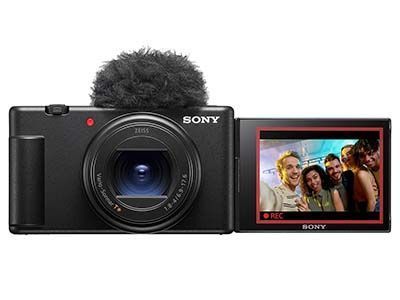
Sony ZV-1 II
Specs
- Design and Ergonomics: Maintains the same compact chassis as the ZV-1. Tripod mount moved to an edge to improve access to the battery and memory compartment.
- Lens and Image Quality: 18-50 mm
- Image Stabilization: Digital (crops the image to 22 mm when activated).
- Audio: Improved microphone, no longer only points forward. Still lacks a headphone jack.
- Interface and Usability: Enhanced touch interface that supports almost all functions and operations.
- Functions and Features: Product Showcase display, one-touch bokeh, skin smoothing. Includes new features: touch exposure, closer minimum focus distance. USB-C port instead of Micro USB.
- Bit Depth and File Formats: Maintains 8-bit 4K/30 fps.
- As an Amazon Associate, this website earn from qualifying purchases.