

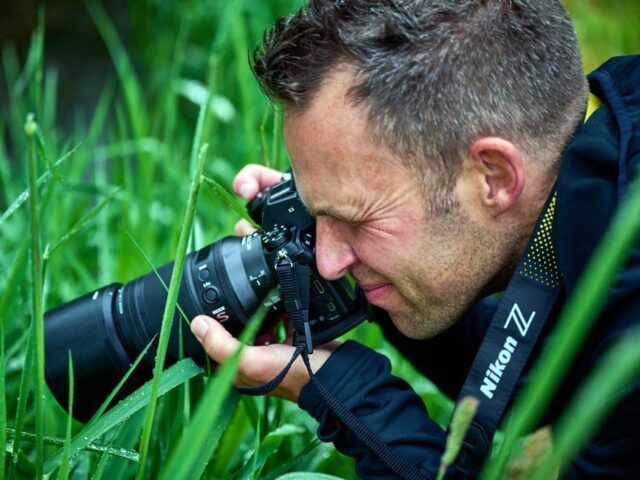
If you don’t feel like reading and just want to see lenses, follow these links:
- Native full-frame macro lenses
- Third-party full-frame macro lenses
- Full-frame lens shortlist
- Native APS-C macro lenses
- Third-party APS-C macro lenses
- APS-C lens shortlist
The Nikon system broadly covers the needs of macro photography, both for full-frame (FX) cameras and APS-C (DX) models, thanks to a combination of native lenses and third-party options.
While the selection of DX-specific lenses is more limited, many lenses designed for full-frame work perfectly on APS-C bodies, significantly expanding the available catalog.
The wide range of focal lengths, combined with options with or without stabilization, and manual or autofocus, allows photographers to tailor their gear to a variety of styles—from traditional macro photography of insects or flowers to more creative or technical approaches like extreme macro. Additionally, manual lenses available for both mounts offer affordable and precise solutions for those on a tighter budget.
Nikon Full Frame: native macro lenses
Shortlist: which Nikon full-frame macro lens to choose based on your profile?
For those starting out in macro and valuing versatility, the NIKKOR Z MC 50mm f/2.8 is a lightweight, compact, and affordable option. It offers 1:1 magnification, a design optimized for full-frame Z cameras, quiet STM motor focusing, and a versatile f/2.8 aperture for other uses like portraits or product photography. Note: It lacks optical stabilization, so it’s recommended to pair it with Z bodies that have IBIS (like the Z5, Z6, or Zf).
For advanced photographers for whom macro is a significant part of their work, the NIKKOR Z MC 105mm f/2.8 VR S is the professional reference. It provides 1:1 magnification, built-in VR optical stabilization, advanced coatings, weather-sealed construction, and extremely high optical quality. Its focal length makes it easier to shoot delicate subjects (like insects) from a safe working distance. Note: This is a high-end lens, with size and price to match.
For professionals seeking extreme macro or scientific photography, Nikon doesn’t offer lenses beyond 1:1 in its official lineup. In such cases, brands like Laowa or Mitakon are the go-to, offering lenses with 2:1, 5:1, or greater magnification, suitable for specialized applications. Note: These are manual lenses, without autofocus or stabilization, requiring experience, good lighting control, and use of a tripod or macro rails.
For photographers on a tight budget, an interesting option is the classic AF-S VR Micro-Nikkor 105mm f/2.8G IF-ED (F-mount), which still offers excellent optical quality, 1:1 magnification, internal focusing, and stabilization. It’s compatible with Z cameras via the FTZ adapter and is often available on the second-hand market. Note: While it has AF and VR, focusing is not as fast or quiet as with the latest native Z models.
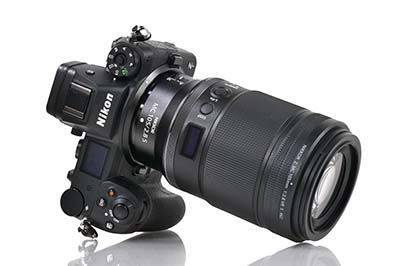
▌Our pick: The NIKKOR Z MC 105mm f/2.8 VR S is the first option to consider thanks to its excellent balance of optical quality, performance, and usability. It delivers sharpness even at maximum aperture, fast and accurate internal focusing via STM motor, built-in stabilization (VR), and a weather-sealed, durable build. Additionally, its 105 mm focal length allows comfortable work with small subjects without invading their space. An excellent tool for both macro and portrait photography.
The Nikon system, currently composed of the Z mount (mirrorless) and the F mount (DSLR), offers a robust range of macro lenses for full-frame (FX) sensor cameras. Over the years, Nikon has developed macro optics known for their sharpness, color control, and mechanical reliability, aimed at both enthusiasts and professionals. Thanks to the FTZ adapter, mirrorless camera users can continue to take advantage of much of the F-mount catalog, significantly expanding the system’s possibilities.
Nikon incorporates technologies such as vibration reduction (VR) and STM or Silent Wave Motor (SWM) autofocus motors in its macro lenses, allowing for steadier and quieter shots, even handheld. In the Z mount, the latest developments include improvements in autofocus performance and better communication between camera and lens, facilitating techniques like focus stacking and continuous autofocus with tracking.
The Nikon ecosystem is also enriched by external manufacturers such as Tamron, Sigma, Laowa, Irix, and Samyang, which offer both classic and extreme macro lenses with various focal lengths and magnification ratios. This enables photographers to explore everything from conventional macro to highly specialized scientific or creative uses.
Comparative table of all macro lenses for Full Frame
| Mount | Brand | Model | Macro | AF/Manual | Stabilization | Format |
|---|---|---|---|---|---|---|
| Z | Nikon | 50 mm f/2.8 MC | 1:1 | STM | No | Full Frame (FX) |
| F | Nikon | 105 mm f/2.8 VR G | 1:1 | AF-S | Yes | Full Frame (FX) |
| Z | Nikon | 105 mm f/2.8 VR S | 1:1 | STM | Yes | Full Frame (FX) |
| Z and F | Laowa | 25 mm f/2.8 | 2.5–5× | Manual | No | Full Frame (FX) |
| Z | Laowa | 58 mm f/2.8 | 2:1 | Manual | No | Full Frame (FX) |
| Z | Laowa | 60 mm f/2.8 | 2:1 | Manual | No | Full Frame (FX) |
| Z | Laowa | 85 mm f/2.8 | 2:1 | Manual | No | Full Frame (FX) |
| Z | Laowa | 90 mm f/2.8 | 2:1 | Manual | No | Full Frame (FX) |
| Z | Mitakon | 200 mm f/4 | 1:1 | Manual | No | Full Frame (FX) |
| F | Samyang | 100 mm f/2.8 ED UMC | 1:1 | Manual | No | Full Frame (FX) |
| F | Sigma | 105 mm f/2.8 OS HSM | 1:1 | HSM | Yes | Full Frame (FX) |
| F | Sigma | 150 mm f/2.8 HSM | 1:1 | HSM | – | Full Frame (FX) |
| F | Tamron | 90 mm f/2.8 | 1:1 | USD ± VR | Optional | Full Frame (FX) |
| Z | Tamron | 90 mm f/2.8 VXD Macro | 1:1 | Fast AF | No | Full Frame (FX) |
| F | Tokina | 100 mm f/2.8 | 1:1 | Optional AF | No | Full Frame (FX) |
| Z | Voigtländer | Macro Apo primes (≈35/65 mm eq FF) | 1:– | Manual | No | Full Frame (FX) |
| F | Irix | 150 mm f/2.8 Dragonfly | 1:1 | Manual | No | Full Frame (FX) |

Nikkor Z MC 50 mm f/2.8
Specs
- Focal length: 50 mm
- Aperture: f/2.8 to f/32
- Minimum focusing distance: 16.5 cm
- Maximum magnification: 1x (1:1)
- Weight and dimensions: 415 g, 75 x 83 mm
- Compatibility: Nikon Z mount (full frame and APS-C)
Analysis
The Nikkor Z MC 50mm f/2.8 is Nikon’s most compact and affordable macro lens within the Z system. It is designed for both full frame and APS-C camera users, offering a focal length equivalent to 75 mm on the latter format. This places it in a mid-range position, suitable for product photography, flowers, and everyday objects, although somewhat short for insects or other subjects requiring more working distance.
With a true 1:1 magnification, it allows capturing small subjects with a high level of detail. The minimum focusing distance is 16 cm, which will require getting quite close to the subject, especially on full frame cameras. This feature can be a limitation when photographing live subjects or outdoors but is perfectly manageable in studio or controlled environments.
Optically, the MC 50mm performs very well. Images are sharp from f/2.8, with good color reproduction and effective aberration control. The bokeh is smooth and pleasant, though not very pronounced given its focal length and aperture. Autofocus is quiet and precise, which is especially useful when combining macro with other uses like portrait or general photography. It lacks optical stabilization, so on bodies without IBIS, tripod use is more advisable, especially at maximum magnifications.
Regarding build quality, the lens is sealed against dust and moisture, with a compact and well-finished body. This, along with its light weight, makes it an excellent option to always carry in your bag, whether as a primary lens for occasional macro or as a lightweight complement.
Ideal use: product photography, flowers, small objects, studio macro, mixed use (macro + general).
Limited use: insects or elusive subjects in open field due to short working distance and lack of stabilization.
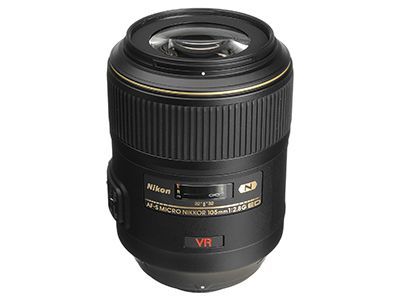
Nikkor 105mm f/2.8G IF-ED
Specs
- Focal length: 105 mm (equivalent to 157 mm on Nikon APS-C)
- Angle of view: 23° 20′
- Aperture: f/2.8 to f/32
- Minimum focusing distance: 31 cm
- Maximum magnification: 1:1
- Weight and dimensions: 720 g, 83 × 116 mm
- Compatibility: Nikon F mount (Full Frame and APS-C, compatible with DSLR and mirrorless cameras via FTZ adapter)
- Focus: Autofocus
- Stabilization: Yes (optical VR)
Analysis
The Nikon 105mm f/2.8G VR is widely used by both advanced enthusiasts and professionals. Since its release, it has been regarded as a benchmark due to its combination of focal length, optical quality, and functionality in macro photography and portraiture.
The 105 mm focal length provides an ideal working distance for subjects that require some space, such as insects, without compromising the convenience of handheld shooting. The optics are very good: it delivers high sharpness from f/2.8, with excellent performance between f/4 and f/11, where it reaches its peak. Chromatic aberration and distortion correction are very effective, and the bokeh achieved at full aperture is smooth and pleasant, also making it a good lens for portraits.
The autofocus, powered by a Silent Wave Motor (SWM), is accurate and relatively fast for a macro lens, though at very close distances it may slow down or hesitate while searching for focus. Still, it is reliable, especially when combined with the ability to limit the focus range.
One of its biggest advantages over other contemporary macro lenses is the optical stabilization (VR), which allows for handheld work with some ease, particularly useful outdoors or when combining macro and portrait tasks.
The build is robust and designed for professional use, with basic weather sealing. Although somewhat heavy for its type, it balances well on medium to large-sized bodies.
Currently, although partially surpassed by the NIKKOR Z MC 105mm f/2.8 VR S on mirrorless cameras, it remains an excellent option for Nikon DSLR users or as a more affordable alternative if you have the FTZ adapter.
Ideal use: nature macro, insects, portraits, studio photography, Nikon DSLR or Z mirrorless users with adapter.
Limited use: macro photography indoors with limited space, users seeking lighter gear or fully native Z lenses.
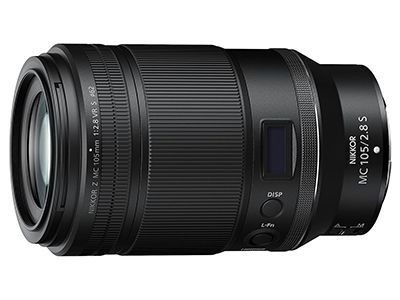
Nikkor Z MC 105mm f/2.8 VR S
Specs
- Focal length: 105 mm (equivalent to 157 mm on Nikon APS-C)
- Angle of view: 23° 10′
- Aperture: f/2.8 to f/32
- Minimum focusing distance: 29 cm
- Maximum magnification: 1:1
- Weight and dimensions: 630 g, 85 × 140 mm
- Compatibility: Nikon Z mount (Full Frame and APS-C)
- Focus: Autofocus
- Stabilization: Yes (optical VR)
Analysis
The NIKKOR Z MC 105mm f/2.8 VR S is the professional macro lens benchmark for the Nikon Z system. It belongs to the S series, which means a high-end optical and mechanical design intended for demanding users, both professionals and advanced enthusiasts. Its 105 mm focal length places it in a very balanced position for macro photography: it offers a safe working distance for delicate subjects like insects, yet remains manageable handheld and not excessively long for other uses.
Optically, the lens is outstanding. Sharpness is exceptional from maximum aperture, with strong contrast and very natural color reproduction. Chromatic aberration control is excellent, even under difficult conditions, and the bokeh it produces is smooth and clean, also ideal for portraits or creative photography with pronounced blur.
The autofocus is very precise, quiet, and reliable, even in extreme macro situations. The minimum focusing distance of 29 cm is comfortable, while the 1:1 magnification is achieved without additional accessories. Additionally, it features optical VR stabilization, which complements Nikon Z bodies’ IBIS perfectly, making handheld work easier and extending its use beyond the tripod.
The build is robust, sealed against dust and moisture, and carefully detailed with features like a customizable control ring, OLED display, and ergonomic design.
Ideal use: Nature, insects, professional photography, close-focus portraiture, handheld work without a tripod.
Limited use: Users seeking a very lightweight or economical lens, or preferring shorter focal lengths for confined spaces.
Third-party brands: Full Frame lenses
The Nikon ecosystem, both in its F mount and the more recent Z mount for full frame cameras, has received strong support from independent manufacturers. Brands such as Sigma, Tamron, Laowa, Samyang, Irix, Meike, and 7Artisans offer a wide variety of lenses ranging from versatile options for general use to highly specialized tools for macro photography and other disciplines.
Let’s proceed in order of focal length, highlighting approaches and use cases:
Short-medium focal length (90-105mm): the favorite for classic macro
This is the most balanced and popular focal range for macro photography, as it offers a comfortable working distance and good versatility beyond the macro realm.
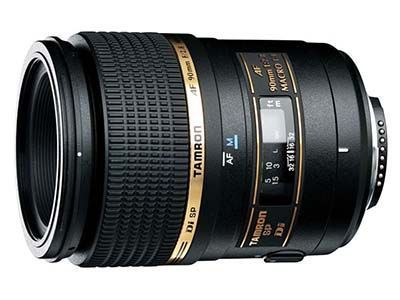
Tamron SP 90mm f/2.8 Di Macro
Specs
- Focal length: 90 mm (equivalent to 135 mm on APS-C format)
- Angle of view: approximately 27° (full frame)
- Aperture: f/2.8 to f/32
- Minimum focusing distance: 30 cm
- Maximum magnification: 1x (1:1)
- Weight and dimensions: approximately 610 g, 79 x 117.1 mm
- Compatibility: Nikon F mount (Full Frame and APS-C), also available for Nikon Z via FTZ adapter
Analysis
This is one of the classics in versatile macro photography. Tamron has refined its 90mm several times over the years, and this latest version with Vibration Compensation (VC) and an ultrasonic motor (USD) is probably the most well-balanced yet.
The lens delivers very good sharpness starting at f/2.8, reasonably fast autofocus (though not action-level fast), and effective stabilization—even at close distances, which is key when shooting handheld. Its focal length, close to the ideal 100mm, makes it very comfortable for photographing nature, insects, or flowers without getting too close.
The bokeh is smooth, allowing it to also work as a short telephoto for portraits. Optical quality is good, with solid contrast and well-controlled aberrations in most situations. It’s not at the surgical level of manual Laowa or APO lenses, but it performs very well.
Limitations? Though stabilized, it’s not as fast as a high-end portrait lens, and at extreme magnifications (beyond 1:1), it falls short—like most general-purpose autofocus macros.
Ideal use: nature macro, occasional portraiture, mixed field photography.
Limited use: super macro, precision focus stacking, extreme technical studio work.
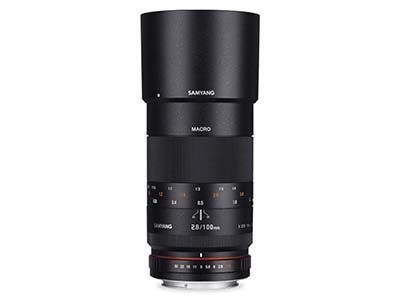
Samyang 100mm f/2.8 ED UMC Macro
Specs
- Focal length: 100 mm (equivalent to 150 mm on APS-C format)
- Angle of view: 24.8° (full frame)
- Aperture: f/2.8 to f/32
- Minimum focusing distance: 30.7 cm
- Maximum magnification: 1:1
- Weight and dimensions: 730 g, 72.5 × 123.1 mm
- Compatibility: Nikon F mount (Full Frame and APS-C)
- Focusing: Manual
- Stabilization: No
Analysis
With this lens, Samyang offers an affordable, manual alternative for macro enthusiasts who prioritize value for money. Unlike more specialized options like the Laowa 100mm 2x, this lens is limited to 1:1 magnification but delivers it with decent optical quality, good center sharpness, and pleasing bokeh.
The build is solid, though there’s no weather sealing or stabilization, and its fully manual design makes it more suitable for controlled or studio photography. In the field, it can perform well with static insects or accessible subjects, but it requires solid technique and preferably a tripod or macro flash.
It doesn’t correct chromatic aberrations as effectively as an APO lens like the Laowa, and edge sharpness at f/2.8 can be a bit weak. Still, for the price, it’s a very competitive option for those looking to dive into serious macro without a large initial investment.
Ideal use: small objects, deliberate photography, stamps, textures, static insects.
Limited use: fast-paced work, advanced stacking, dynamic or low-light situations without support.
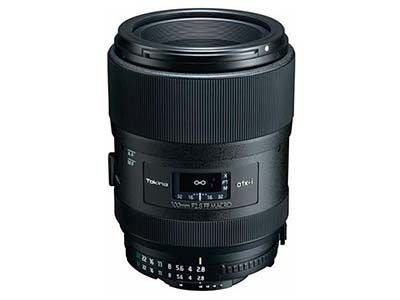
Tokina ATX-i 100 mm f/2.8 FF Macro
Specs
- Focal length: 100 mm (equivalent to 150 mm on Nikon APS-C)
- Angle of view: 24°
- Aperture: f/2.8 to f/32
- Minimum focusing distance: 30 cm
- Maximum magnification: 1x (1:1)
- Weight and dimensions: approximately 515 g, 73 × 95 mm
- Compatibility: Nikon F mount (Full Frame and APS-C; works on Z mount via FTZ adapter)
- Focusing: Autofocus (built-in motor; not compatible with bodies lacking AF motor, manual focus required on D3xxx/D5xxx models)
- Stabilization: No
Analysis
The Tokina ATX‑i 100 mm f/2.8 FF Macro is an excellent entry point into advanced macro photography for those looking for quality without investing in high-end lenses. Its 1:1 reproduction ratio and 30 cm working distance make it ideal for insects, flowers, and small objects.
The lens features an optical construction of nine elements in eight groups, including special glass elements, delivering solid image quality from center to edge—even at f/2.8. It also stands out for its ergonomics and smooth focusing, with a handy switch for quick transitions between AF and MF.
Although it lacks optical stabilization, the moderate weight makes it comfortable to use.
Autofocus is quiet and functional on cameras with a built-in motor, though not as fast as premium portrait lenses.
Ideal use: nature macro, detail and field/studio stacking, occasional portraits; excellent value for money.
Limited use: fast action or sports, bodies without AF motor, adverse weather (not sealed), and users who rely on stabilization.

Sigma 105 mm f/2.8 EX DG OS HSM Macro
Specs
- Focal length: 105 mm (equivalent to 157.5 mm on Nikon APS-C)
- Angle of view: 23.3° (full-frame format)
- Aperture: f/2.8 to f/22
- Minimum focusing distance: 31.2 cm
- Maximum magnification: 1x (1:1)
- Weight and dimensions: 725 g, 78.3 × 126.4 mm
- Compatibility: Nikon F (Full Frame and APS-C); works on Nikon Z with FTZ adapter
- Focusing: Autofocus (HSM motor)
- Stabilization: Yes (optical OS)
Analysis
The Sigma 105mm f/2.8 EX DG OS HSM Macro is a mid-to-high-end lens designed to deliver sharp, detailed images both in the studio and outdoors. Its 105 mm focal length provides a generous working distance, ideal for photographing insects or other delicate subjects without having to get too close, reducing the risk of scaring them or casting shadows.
With a true 1:1 magnification, sharpness is excellent across the frame from f/4, and performance remains solid even at maximum aperture. Chromatic aberrations are well controlled and contrast is high—important qualities in macro photography to preserve textures and accurate colors.
One of its standout features is the inclusion of optical stabilization (OS), which is uncommon in macro lenses. This system effectively compensates for camera shake when shooting handheld, especially useful outdoors or when a tripod is not available. It also improves the lens’s versatility for other genres like portraiture.
The HSM focusing motor is quiet and reasonably fast, though—as with most macros—manual focus is still preferable when precision is critical. A focus limiter is included to speed up autofocus performance.
In terms of build, the lens has a solid body with a quality finish, although it lacks weather sealing. Its size and weight (725 g) are on the heavier side compared to more compact macro lenses, which can reduce portability for travel or extended handheld use.
Best uses: insects, flowers, outdoor macro, portraits with soft background blur, studio product photography.
Limited uses: shooting in harsh weather, long sessions without a tripod due to weight.

Irix 150mm f/2.8 Macro 1:1 Dragonfly
Specs
- Focal length: 150 mm (equivalent to 225 mm on Nikon APS-C format)
- Field of view: 16° (on full frame)
- Aperture: f/2.8 to f/32
- Minimum focusing distance: 34 cm
- Maximum magnification: 1x (1:1)
- Weight and dimensions: 840 g, 87 × 135 mm
- Compatibility: Nikon F mount (Full Frame and APS-C); compatible with Z-series cameras via FTZ adapter
- Focus: Manual
- Image stabilization: No
Analysis
The Irix 150mm f/2.8 is an uncommon but highly valued option among those who shoot macro from a distance, especially with insects and sensitive wildlife. While it requires an adapter for use on Sony cameras (such as the Sigma MC-11 or Metabones), it works fully thanks to its 100% manual design.
The optics deliver very good sharpness from f/4, pleasing bokeh, and high contrast—even at wide apertures. The long focal length offers an excellent working distance, making it ideal for field macro with skittish subjects. Manual focus is smooth, precise, and well-suited for detailed work or focus stacking.
The body is robust, weather-sealed, and ergonomic, with an integrated tripod collar. It lacks stabilization, so good technique is required when shooting handheld, but its overall balance makes it manageable even without support with some practice or a steady hand.
Best used for: distant insects, butterflies, dragonflies, nature photography without disturbing the subject.
Less suited for: fast or spontaneous shooting, or shooting without a tripod—especially on Sony APS-C bodies without stabilization.
Other focal lengths and creative approaches: Extreme macro (beyond 1:1)
Lenses designed for ultra-detailed photography, offering magnification beyond 1:1 without the need for accessories.
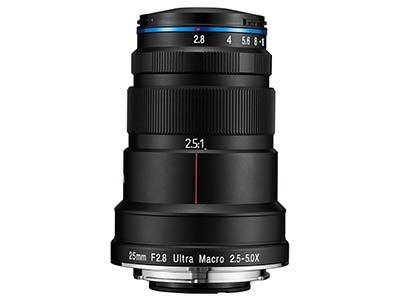
Laowa 25mm f/2.8 2.5–5× Ultra Macro
Specs
- Focal length: 25 mm (equivalent to 37.5 mm on Nikon APS-C)
- Angle of view: 10.3°
- Aperture: f/2.8 to f/16
- Minimum focusing distance: 17.3 cm (at 2.5x)
- Maximum magnification: 5:1
- Weight and dimensions: 400 g, 65 × 82 mm
- Compatibility: Nikon Z and F mount (Full Frame and APS-C)
- Focus: Manual
- Stabilization: No
Analysis
This lens is a specialized tool, designed exclusively for super macro photography. It’s not a general-purpose macro: its magnification range goes from 2.5x to 5x, meaning it can’t focus to infinity or be used for lower magnifications. It’s intended for advanced or technical users looking to explore tiny structures such as small insects, textures, electronic components, minerals, etc.
Unlike conventional macro lenses, the Laowa 25mm requires working extremely close to the subject, which limits its use with moving subjects. At these magnification levels, depth of field is extremely shallow and light is limited, so a tripod, focusing rail, and controlled artificial lighting are practically essential.
Optically, the lens delivers excellent center sharpness from mid apertures, though some vignetting or edge softness may appear wide open. Distortion is minimal and contrast is high—impressive for this type of extreme optic.
It’s not a lens for everyone, but within the super macro niche, it’s a standout choice thanks to its price-performance ratio, capability, and portability. Lightweight, solid, and free of electronic components that complicate mirrorless use.
Best used for: technical super macro, small insect photography, minerals, components, advanced stacking.
Less suited for: general macro, portrait, live subjects without preparation, or outdoor work without support gear.
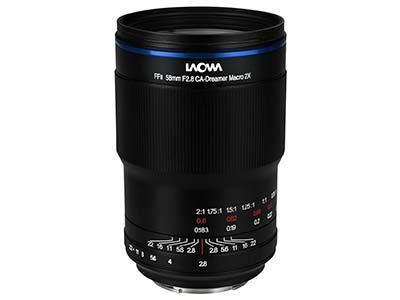
Laowa 58mm f/2.8 2× Ultra Macro APO
Specs
- Focal length: 58 mm (equivalent to 87 mm on Nikon APS-C)
- Angle of view: 40.9°
- Aperture: f/2.8 to f/22
- Minimum focusing distance: 18.5 cm
- Maximum magnification: 2:1
- Weight and dimensions: 335 g, 74 × 90.5 mm
- Compatibility: Nikon Z mount (Full Frame and APS-C)
- Focus: Manual
- Stabilization: No
Analysis
This lens stands out for its excellent optical performance and apochromatic (APO) design, which minimizes chromatic aberrations in focus and bokeh. It offers 2:1 magnification without additional accessories, making it a powerful choice for advanced macro, especially on APS-C where its angle is tighter and useful for small subjects.
Lightweight and compact, it’s very manageable in the field, and its f/2.8 aperture also makes it useful for tight portraits or detailed photography with blurred backgrounds. The focus ring is smooth and precise, ideal for fine manual work.
Best used for: extreme detail, product photography, textures, flowers, mixed macro.
Less suited for: fast photography or subjects requiring autofocus.
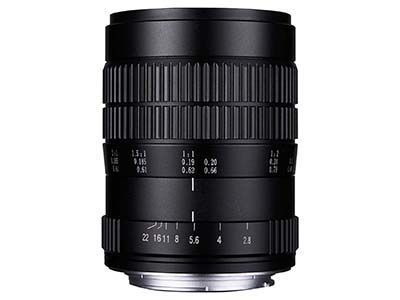
Laowa 60mm f/2.8 2× Ultra Macro
Specs
- Focal length: 60 mm (equivalent to 90 mm on Nikon APS-C)
- Angle of view: 25.3°
- Aperture: f/2.8 to f/22
- Minimum focusing distance: 18.5 cm
- Maximum magnification: 2:1
- Weight and dimensions: 503 g, 70 × 95 mm
- Compatibility: Nikon Z mount (Full Frame and APS-C)
- Focus: Manual
- Stabilization: No
Analysis
The Laowa 60mm f/2.8 2× Ultra Macro was one of the first to offer 2:1 magnification with full-frame coverage without the need for extension tubes or additional lenses, quickly becoming an attractive choice for demanding macro photographers. On APS-C cameras like the Sony α6000, its effective focal length makes it ideal for shooting insects, small objects, or textures with good background separation.
Its optical performance is very solid from f/4, with good contrast and sharpness in the center, although there can be some edge softness when used wide open. It does not have internal focusing, so the barrel visibly extends when focusing, which can be inconvenient in tight spaces or with sensitive subjects.
Although heavier than other recent Laowa lenses, its versatility and reproduction capability make it a very useful tool for those who prioritize real macro ability over automation or ultra-compact design.
Best used for: advanced macro photography, insects, product, textures.
Less suited for: tight spaces, subjects that are startled by barrel movement.
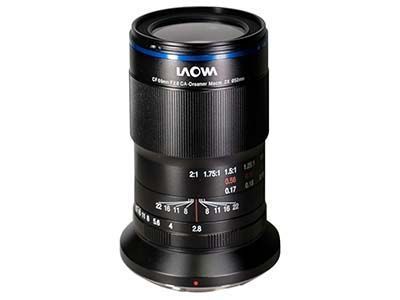
Laowa 65mm f/2.8 2× Ultra Macro
Specs
- Focal length: 65 mm (equivalent to 97.5 mm on Nikon APS-C)
- Angle of view: 37.2°
- Aperture: f/2.8 to f/22
- Minimum focusing distance: 20 cm
- Maximum magnification: 2:1
- Weight and dimensions: 480 g, 73 × 90 mm
- Compatibility: Nikon Z mount (Full Frame and APS-C)
- Focus: Manual
- Stabilization: No
Analysis
The Laowa 65mm f/2.8 2× Ultra Macro is a specialized lens for extreme macro photography, known for its ability to magnify up to twice the subject’s actual size (2:1), far beyond the typical 1:1 standard. This makes it ideal for photographers capturing fine details in small insects, textures, or microscopic structures without needing extra accessories.
With a focal length of 65 mm, it provides a reasonably comfortable working distance to get close to small subjects without intruding too much. Its minimum focusing distance of just 13.5 cm, combined with high magnification, means focusing and lighting must be carefully managed to avoid shadows or camera shake.
Optically, the lens delivers good sharpness and contrast from mid apertures. It lacks optical stabilization and autofocus, so it is fully manual—offering fine control but requiring experience and patience.
The build is solid and lightweight, but there’s no weather or dust sealing. Its compact design makes it suitable for photographers looking for a dedicated ultra-macro tool without carrying bulky gear.
Best use: Extreme macro (microscopic detail), insect photography, textures, small objects in studio or field settings.
Limited use: General photography or portrait, situations requiring autofocus or stabilization, fast-moving subjects or quick work.
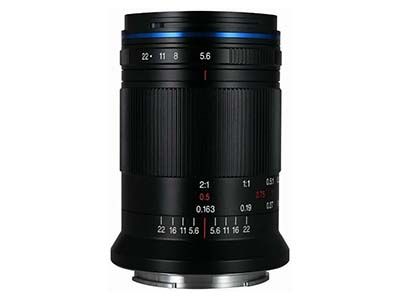
Laowa 85mm f/5.6 2× Ultra Macro APO
Specs
- Focal length: 85 mm (equivalent to 127.5 mm on Nikon APS-C format)
- Angle of view: 28.55°
- Aperture: f/5.6 to f/22
- Minimum focusing distance: 16.3 cm
- Maximum magnification: 2:1
- Weight and dimensions: 259 g, 53 × 81 mm
- Compatibility: Nikon Z mount (Full Frame and APS-C)
- Focus: Manual
- Stabilization: No
Analysis
This 85mm is currently the smallest and lightest 2:1 macro lens available for Sony full-frame mount. It is specifically designed for field photography and travel, where weight matters as much as performance. Despite its modest f/5.6 aperture, it performs very well optically wide open, with excellent chromatic correction thanks to its APO (apochromatic) design.
Its minimum focusing distance allows for extreme close-ups, and the focal length offers a very balanced compromise between working distance and background compression, making it easier to photograph insects without getting too close. The construction is all-metal, with good handling and mechanical precision.
It’s ideal for those seeking an advanced macro solution without the bulk or sacrificing image quality.
Best use: field macro, lightweight photography, nature while traveling.
Limited use: low-light conditions, extreme bokeh, or creative portraits.
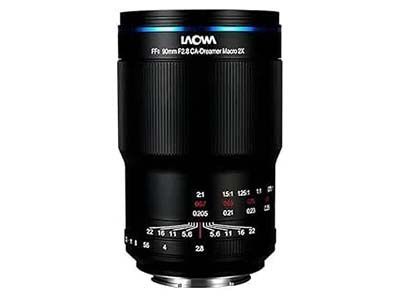
Laowa 90mm f/2.8 2× Ultra Macro APO
Specs
- Focal length: 90 mm (equivalent to 135 mm on Nikon APS-C format)
- Angle of view: 27°
- Aperture: f/2.8 to f/22
- Minimum focusing distance: 20.5 cm
- Maximum magnification: 2:1
- Weight and dimensions: 619 g, 74 × 120 mm
- Compatibility: Nikon Z mount (Full Frame and APS-C)
- Focus: Manual
- Stabilization: No
Analysis
The 90mm f/2.8 2× APO is one of the most well-balanced lenses in Laowa’s extreme macro lineup. It provides a comfortable working distance for insect and nature detail photography while maintaining a robust build and high-level optical design.
Its 2:1 reproduction ratio puts it ahead of many traditional macro lenses, and the f/2.8 aperture also makes it useful for creative portraits or scenes requiring more depth-of-field control. Chromatic correction is excellent even in out-of-focus areas, and its center sharpness is impressive wide open.
It’s a very solid choice for those who want demanding macro capabilities with more creative flexibility and a professional-grade handling experience.
Best use: technical and creative macro, insects, detailed portraits.
Limited use: fast handheld shooting, continuous focus on moving subjects.
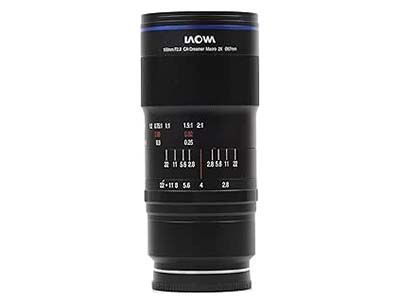
Laowa 100mm f/2.8 2× Ultra Macro APO
Specs
- Focal length: 100 mm (equivalent to 150 mm on Nikon APS-C format)
- Angle of view: 24.4°
- Aperture: f/2.8 to f/22
- Minimum focusing distance: 24.7 cm
- Maximum magnification: 2:1
- Weight and dimensions: 638 g, 72 × 125 mm
- Compatibility: Nikon Z mount (Full Frame and APS-C)
- Focus: Manual
- Stabilization: No
Analysis
This version of the Laowa 100mm f/2.8 is the direct evolution of the classic 1:1 model, and one of the most complete lenses in the brand’s macro lineup. It offers 2:1 magnification without the need for additional accessories, allowing for exceptional detail capture in very small subjects or fine textures.
The APO (apochromatic) design minimizes chromatic aberrations, even under challenging conditions or with blurred backgrounds. Its 100mm focal length provides a comfortable working distance, suitable for insects, nature, and product photography. The f/2.8 aperture also makes it useful for portraiture, provided focus is handled with care.
Optical quality is very high across the frame from medium apertures, and although the weight is moderate, the build is solid, all-metal, and well finished. Manual focus may be a limitation for some users, but the focus ring is smooth and precise, making it ideal for controlled setups or tripod use.
Best use: advanced macro, focus stacking, field photography, product, detailed portraiture.
Limited use: spontaneous or fast handheld photography, continuous focus on moving subjects.
Other focal lengths and creative approaches: Macro with a creative perspective
Lenses that offer a different point of view: wide-angle, periscopic, or with plane shift.
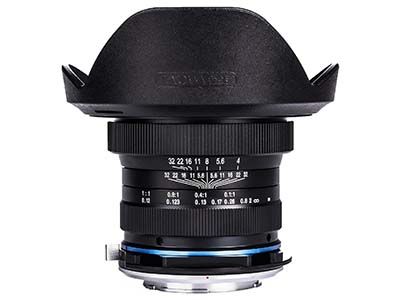
Laowa 15mm f/4 Wide Angle Macro 1:1
Specs
- Focal length: 15 mm (equivalent to 22.5 mm on Nikon APS-C format)
- Angle of view: 110°
- Aperture: f/4 to f/32
- Minimum focusing distance: 12.2 cm
- Maximum magnification: 1:1
- Weight and dimensions: 410 g, 84 × 64 mm
- Compatibility: Nikon Z mount (Full Frame and APS-C)
- Focus: Manual
- Stabilization: No
Analysis
This is one of the most unique macro lenses on the market: an ultra-wide-angle optic with 1:1 magnification. It allows you to include both the macro subject and its surroundings in the frame—something very rare in this type of photography. Ideal for insects in their habitat, creative scenes, or controlled environments where context is as important as detail.
It has some natural geometric distortion due to the extreme focal length, though it’s well controlled. It’s not easy to use—it requires very precise focus and framing, especially given the short working distance (the front element sits just millimeters from the subject). The focus ring is smooth and precise, but demands good technique.
Ideal use: Environmental macro, creative work, contextual nature scenes, extreme landscapes.
Limited use: Highly mobile insects, technical or traditional studio work.
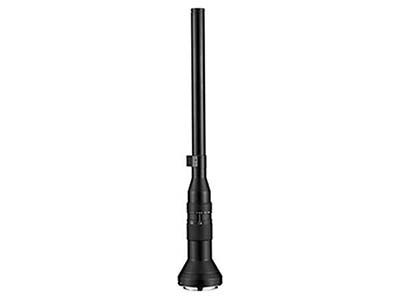
Laowa 24mm T14 Probe
Specs
- Focal length: 24 mm (equivalent to 36 mm on Nikon APS-C)
- Angle of view: 85°
- Aperture: f/14 to f/40
- Minimum focusing distance: 2 cm
- Maximum magnification: 2:1
- Weight and dimensions: 474 g, 38 × 408 mm
- Compatibility: Sony E mount (Full Frame and APS-C)
- Focus: Manual
- Stabilization: No
- Extras: Built-in front LED light
Analysis
This lens has redefined extreme macro photography. Its probe-like design allows for capturing images in otherwise inaccessible places: inside objects, food, plants, insects in nests, etc. The optics offer 2:1 magnification and great depth of field for its focal length, though the minimum aperture of f/14 limits use without artificial lighting.
It includes an LED light at the tip, helpful for lighting in tight spaces. It requires solid technique, external support, and is often used with a slider or tripod. It’s neither versatile nor lightweight, but it’s irreplaceable when that unique perspective is needed.
Ideal use: Creative photography, nature documentaries, video, product and food photography.
Limited use: Spontaneous macro, handheld or unplanned shooting.
Nikon APS-C: native macro lenses
Pre-selection: which Nikon APS-C macro lens to choose based on your profile?
For those starting out in macro and valuing versatility, the Nikon AF-S DX Micro 40mm f/2.8G is one of the most accessible options in the F-mount system. Compact, lightweight, and with 1:1 magnification, it’s ideal for capturing everyday details, static objects, or product work under good lighting. Its full-frame equivalent focal length of about 60mm also makes it suitable for general photography or environmental portraiture. Keep in mind: its working distance is very short (just 16 cm), which can make it difficult to focus on insects or subjects sensitive to movement. It lacks optical stabilization and weather sealing.
For more advanced photographers who consider macro a key part of their work, the Nikon AF-S DX Micro 85mm f/3.5G VR provides a more refined experience. Also offering 1:1 magnification, its 127mm equivalent focal length gives more distance to the subject, better suited for demanding scenes or wildlife. Built-in optical stabilization (VR) improves handheld stability and control in low light. Keep in mind: the f/3.5 aperture is somewhat limited in low light, but it’s offset by a better working distance and solid image quality.
For professionals seeking extreme macro or scientific photography, Nikon does not offer native APS-C lenses with capabilities beyond 1:1 magnification. However, users working in this format can turn to third-party lenses with higher magnification, such as the Laowa 65mm f/2.8 2x Ultra Macro APO, which allows up to 2:1 reproduction without additional accessories.
For photographers on a tight budget, the Nikon AF-S DX Micro 40mm f/2.8G remains the most recommended option. Its low price, ease of use, and compact size make it ideal for exploring macro photography with satisfying results. Keep in mind: this is not a lens intended for professional use or challenging subjects.

▌Our pick: The Nikon AF-S DX Micro 85mm f/3.5G VR is the top choice for macro photography on Nikon APS-C cameras. It offers true 1:1 magnification, effective VR stabilization for handheld shots, and an equivalent focal length of 127 mm—perfect for capturing small subjects without getting too close. Compact, lightweight, and built specifically for the DX format, it’s a versatile tool for both product and nature photography.
The Nikon APS-C (DX) system offers a limited but functional range of native macro lenses, versatile alternatives combining portability, good optical quality, and ease of use, aimed at enthusiasts and professionals seeking a lightweight solution for everyday macro. Most of these lenses lack optical stabilization, but their other strengths often compensate for this limitation in many practical situations.
Additionally, compatibility with the FTZ adapter for using full-frame lenses on APS-C cameras allows users to expand their macro arsenal within the Nikon ecosystem.
Comparative table of all macro lenses for APS-C
| Mount | Brand | Model | Macro | AF/Manual | Stabilization | Format |
|---|---|---|---|---|---|---|
| F | Nikon | 40 mm f/2.8G DX Micro | 1:1 | AF-S | No | APS-C (DX) |
| F | Nikon | 85 mm f/3.5G VR DX Micro | 1:1 | AF-S | Yes | APS-C (DX) |
| Z | Viltrox | 85 mm f/2.8 Macro AF | 1:1 | AF | No | APS-C (DX) |
| Z | 7Artisans | 60 mm f/2.8 Macro | 1:1 | Manual | No | APS-C (DX) |
| Z | Laowa | 65 mm f/2.8 Ultra Macro APO | 2:1 | Manual | No | APS-C (DX) |
| Z | TTArtisan | 40 mm f/2.8 Macro | 1:1 | Manual | No | APS-C (DX) |
| Z | Meike | 85 mm f/2.8 Macro | 1:1 | Manual | No | APS-C (DX) |

Nikkor AF-S DX Micro 40 mm f/2.8G
Specs
- Focal length: 40 mm (equivalent to 60 mm in APS-C format)
- Angle of view: 38°50′
- Aperture: f/2.8 to f/22
- Minimum focusing distance: 16.3 cm
- Maximum magnification: 1x (1:1)
- Weight and dimensions: 235 g, 68.5 × 64.5 mm
- Compatibility: Nikon F mount (DX format)
Analysis
The Micro-Nikkor 40 mm f/2.8G is Nikon’s most affordable and lightweight option for macro photography in DX format. Its focal length equivalent to 60 mm places it in the short range for macro, suitable for still life, flowers, or small objects, but less suitable for insects or other subjects that require more working distance.
The minimum focusing distance of 16.3 cm allows achieving 1:1 magnification, but at this distance, the lens is very close to the subject, making lighting difficult and limiting use with live animals. Still, in controlled applications such as document reproduction, product photography, or studio details, it performs very well.
Optical quality is notable for its price: very good sharpness in the center starting at f/2.8 and balanced overall performance. The bokeh is decent, though not particularly outstanding. The SWM focus motor is quiet and sufficiently precise, though not very fast.
The lack of stabilization limits handheld use in low light, but its brightness helps compensate. In construction, it is a compact and lightweight lens, with a polycarbonate body but well assembled. Although not weather-sealed, it is suitable for everyday use.
Due to its size, weight, and price, it is an excellent lens to start macro photography with DX cameras or as a secondary tool for detail and close-up photography.
Ideal use: Basic macro, product, everyday details, document reproduction, general photography in APS-C.
Limited use: Insects or subjects requiring distance, low light situations without tripod, intensive professional use.

Nikkor AF-S DX Micro 85 mm f/3.5G ED VR
Specs
- Focal length: 85 mm (equivalent to 127 mm in APS-C format)
- Angle of view: 18°50′
- Aperture: f/3.5 to f/32
- Minimum focusing distance: 28.6 cm
- Maximum magnification: 1x (1:1)
- Weight and dimensions: 355 g, 73 × 98.5 mm
- Compatibility: Nikon F mount (DX format)
Analysis
This lens is specifically designed for the DX system. Its 127 mm equivalent focal length offers a suitable working distance for delicate subjects like insects or flowers, with more comfort than the classic 40 mm DX.
Although its maximum aperture of f/3.5 is somewhat more modest than other options, it offers solid sharpness and well-controlled depth of field even wide open. The VR stabilization system is a valuable asset for handheld shooting, though its effectiveness decreases as you approach maximum magnification, as is common with most stabilized macro lenses.
Focusing is internal and relatively accurate, though not particularly fast. The manual focus ring is comfortable to use, and the 28.6 cm minimum focusing distance allows for 1:1 reproduction without the need for extension tubes.
In terms of construction, it’s a lightweight and functional lens, though mostly made of plastic. It isn’t weather-sealed, but it’s sturdy enough for general-purpose use. Optically, it performs well for close-up and portrait photography, with good center resolution and smooth background blur.
It’s one of the most sensible macro lens options in the DX system if you’re looking for true macro capabilities without investing in larger or more expensive FX lenses.
Ideal use: APS-C macro photography, product photography, occasional portraits, nature with lightweight gear.
Limited use: FX format (requires cropping), fast focusing or tracking, use in harsh weather conditions.
Third-party brands: APS-C lenses
The official macro lens lineup for Nikon APS-C cameras (DX mount) is fairly limited, but third-party manufacturers have introduced interesting alternatives that expand the possibilities for this format. These lenses, often manual and without stabilization, tend to be more affordable and sometimes offer features or magnification ranges not available in Nikon’s official lineup.
Although most lack autofocus and vibration reduction systems, they are very useful for photographers seeking specific solutions for extreme macro or technical applications and who are comfortable shooting manually.
Standard manual lenses
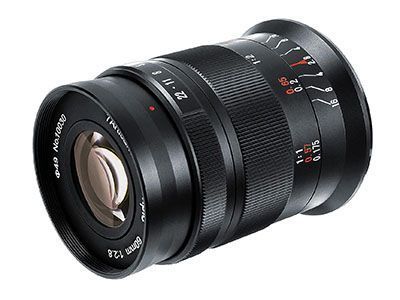
7Artisans 60mm f/2.8 Macro
Specs
- Focal length: 60 mm (equivalent to 90 mm on Nikon APS-C)
- Angle of view: Approximately 25°
- Aperture: f/2.8 to f/16
- Minimum focusing distance: 26 cm
- Maximum magnification: 1:1
- Weight and dimensions: 550 g, 60 × 100 mm
- Compatibility: Nikon Z (APS-C only)
- Focusing: Manual
- Stabilization: No
Analysis
Affordable manual lens offering 1:1 magnification, aimed at beginners or photographers on a tight budget. Its optical quality is decent, with acceptable sharpness but limited aberration correction and frame uniformity. The build is simple and lightweight, lacking stabilization or a motor, which means a tripod and good lighting conditions are necessary. Despite its limitations, it’s a valid option for learning macro or for personal projects where extreme image quality isn’t essential.
Ideal use: entry-level macro, static photography.
Limitations: modest optical quality, no stabilization or autofocus, not for professional use.
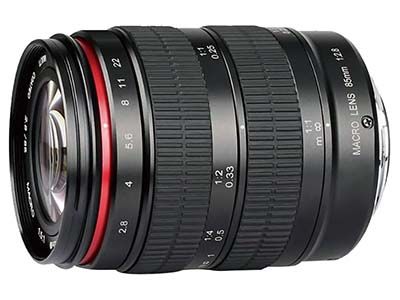
Meike 85mm f/2.8 Macro
Specs
- Focal length: 85 mm (equivalent to 128 mm on Nikon APS-C)
- Angle of view: Approximately 28°
- Aperture: f/2.8 to f/22
- Minimum focusing distance: 25 cm
- Maximum magnification: 1:1
- Weight and dimensions: 500 g, 72 × 98 mm
- Compatibility: Nikon F (Full Frame and APS-C)
- Focus: Manual
- Stabilization: No
Analysis
A manual lens with 1:1 magnification that stands out for its slightly longer working distance, making it easier to capture more sensitive subjects. It delivers good center sharpness and contrast, although corner uniformity could be improved. It lacks stabilization and autofocus, but the build quality is solid for its price range. It’s suitable for enthusiasts seeking solid performance in classic macro photography without investing in more expensive options.
Ideal use: Amateur macro, small and static objects, studio.
Limitations: No stabilization or autofocus, modest edge optical performance.
Extreme macro
Laowa 65mm f/2.8 2x Ultra Macro APO
Specs
- Focal length: 65 mm (equivalent to 104 mm in APS-C format)
- Angle of view: 24.4°
- Aperture: f/2.8 to f/22
- Minimum focusing distance: 17 cm
- Maximum magnification: 2x (2:1)
- Weight and dimensions: 335 g, 57 × 100 mm
- Compatibility: Nikon Z (APS-C only)
- Focus: Manual
- Stabilization: No
Analysis
This lens is a rare find in the world of APS-C macro, thanks to its 2:1 reproduction ratio—twice that of the standard 1:1 macro. Its apochromatic (APO) design significantly reduces chromatic aberrations, delivering images with high sharpness and contrast. It lacks autofocus and stabilization, requiring precise handling and preferably a tripod for optimal results. The short focal length combined with high magnification makes it ideal for capturing extremely small details, especially in studio photography or focus stacking. However, it is not suitable for moving subjects or users seeking speed and ease of use.
Ideal use: Extreme macro, focus stacking, studio work, tiny detail photography.
Limitations: Manual focus, no stabilization, not suited for fast action or outdoor use.
- As an Amazon Associate, this website earn from qualifying purchases.