

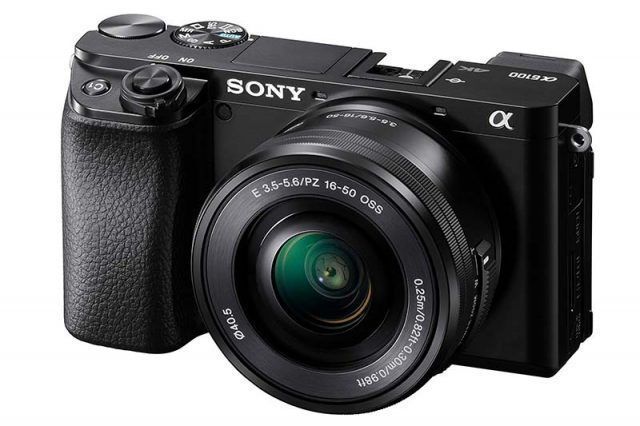
Compact, retractable, and with optical stabilization, the modest but practical Sony E PZ 16-50mm f/3.5-5.6 OSS II is the lens most commonly seen mounted on a Sony APS-C camera. Its design follows a clear logic: to offer an extremely lightweight and affordable standard zoom that performs well in both photography and video.
With a focal length equivalent to 24–75mm in full-frame format, it covers the general use range, from a moderate wide-angle to a short telephoto, making it ideal for everyday use… if you’re not too demanding about image quality.
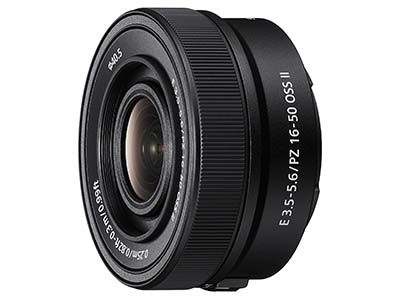
Sony 16-50mm f/3.5-5.6 OSS II
Specs
- Focal length: 16–50 mm (equivalent to 24–75 mm in full-frame format)
- Angle of view: 83°–32° (on APS-C)
- Aperture: f/3.5–5.6 (maximum) to f/22–36 (minimum, depending on focal length)
- Minimum focus distance: 25 cm
- Maximum magnification: 0.215x
- Weight and dimensions: 107 g, 64.7 x 29.9 mm (retracted)
- Compatibility: Sony E (APS-C)
Compact to the Extreme
The first thing that surprises you when holding it is how light it is. Just 107 grams. Once mounted on a camera, it sits almost flat, not protruding or getting in the way. It retracts when turned off and extends when powered on, making it very suitable for those seeking discretion, speed, and portability—especially for video or urban photography.
The version II, released in 2024, did not introduce any optical or external design changes. However, it significantly improves electronically: autofocus is faster and now supports advanced tracking, even when recording at 120 fps, and it offers better integration with in-body image stabilization (IBIS) systems in recent cameras like the ZV-E10 II or the A6700.
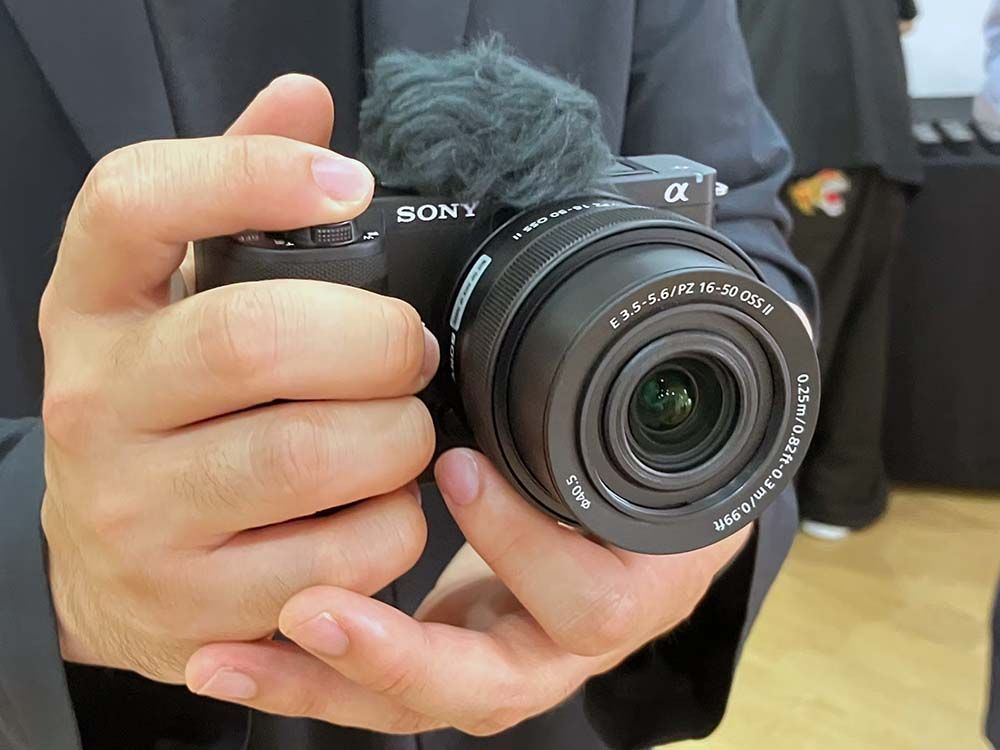
▌This lens is not aimed at those who scrutinize the corners with a magnifying glass. It is, above all, a zoom for beginners, vloggers, and travelers who prioritize lightness and comfort over pure performance. In the image, mounted on a ZV-E10 II.
Just enough sharpness, with reservations
The optical quality is fair and functional. It doesn’t stand out. At 16mm, especially in the corners, there’s noticeable softness, while the center improves quickly, especially when stopped down to f/5.6 or f/8. At the tele end, the results are more balanced but never reach what a prime lens or a mid-range zoom would offer.
Distortion is noticeable in RAW files, especially at the wide-angle end. Vignetting is also present, although in JPG or video it often goes unnoticed thanks to the camera’s automatic corrections. Contrast is acceptable except in strong backlighting, where it loses a lot of punch.
Can you work with it? Yes. Is it a lens with character? Not particularly. But for those who post on social media, edit slowly in Lightroom, and prioritize lightness, it can perform without problems.

▌In direct light or strong backlight situations, like in this scene, the lens shows its limitations, such as a significant loss of contrast. Editing the photo improved it but didn’t work miracles.

▌Another case where backlight causes a sharp drop in overall contrast.
Color Reproduction
The 16-50mm doesn’t particularly stand out for its color accuracy, tending to deliver somewhat flat colors with moderate saturation. Its performance is adequate for general use, but it lacks the microcontrast and vibrancy offered by higher-end lenses. This can actually be an advantage in video, where a more neutral image makes color grading easier in post-production, but in photography it requires a bit of editing to liven up and add depth to the tones, especially in scenes with vegetation or skies. Nothing dramatic, but it’s one of the areas where its limitations become apparent.


▌Before and after: the original image shows a somewhat muted color range, typical of the 16-50mm; with a slight adjustment in contrast and saturation, the tones gain vibrancy and depth.
Focus and Stabilization: The Best of the Lens
Where the 16-50mm does impress is in its mechanical performance. The focus is fast, quiet, and accurate, even in low light or with slow-moving subjects. The motor is discreet, suitable for video recording, and the transition with the Power Zoom function is smooth and jerk-free.
Regarding optical stabilization (OSS), it compensates for movements on 2 axes and allows shooting 2 to 3 stops slower, a figure that increases to 4-5 stops when combined with cameras featuring in-body image stabilization (IBIS), like the Sony A6700.
Ergonomics and Build: More Compromise than Luxury
There’s no luxury here nor weather sealing. The body is plastic, lightweight, with a decent feel but no sense of robustness. The zoom ring, being electronic, requires some getting used to: it responds with a slight delay and imprecision when aiming for exact framing, so it’s not ideal for quick manual zooms, though it is practical for video.
Also, it’s important to note that the lens tends to accumulate dust inside over time. This is something many users mention on forums and which I can confirm: after a long trip through Asia, my lens was infested with dust, which combined with several drops (which were not the lens’s fault, of course, but due to its fragility it handled poorly) forced me to buy another. A factor to consider if you plan to use it in dusty or very humid environments.

▌Dust inside the lens noticeably affects image quality, especially in wide and bright scenes.

▌In scenes like this one—a landscape with a less uniform sky than the river in the previous image—dust marks are harder to remove in post-production.
What is it really for?
This lens isn’t made to break sharpness records. But it’s great for the street photographer, the traveler who doesn’t want to carry an 18-105mm or primes, and for content creators. It’s a workhorse lens for learning, shooting without hassle, and keeping your setup compact.
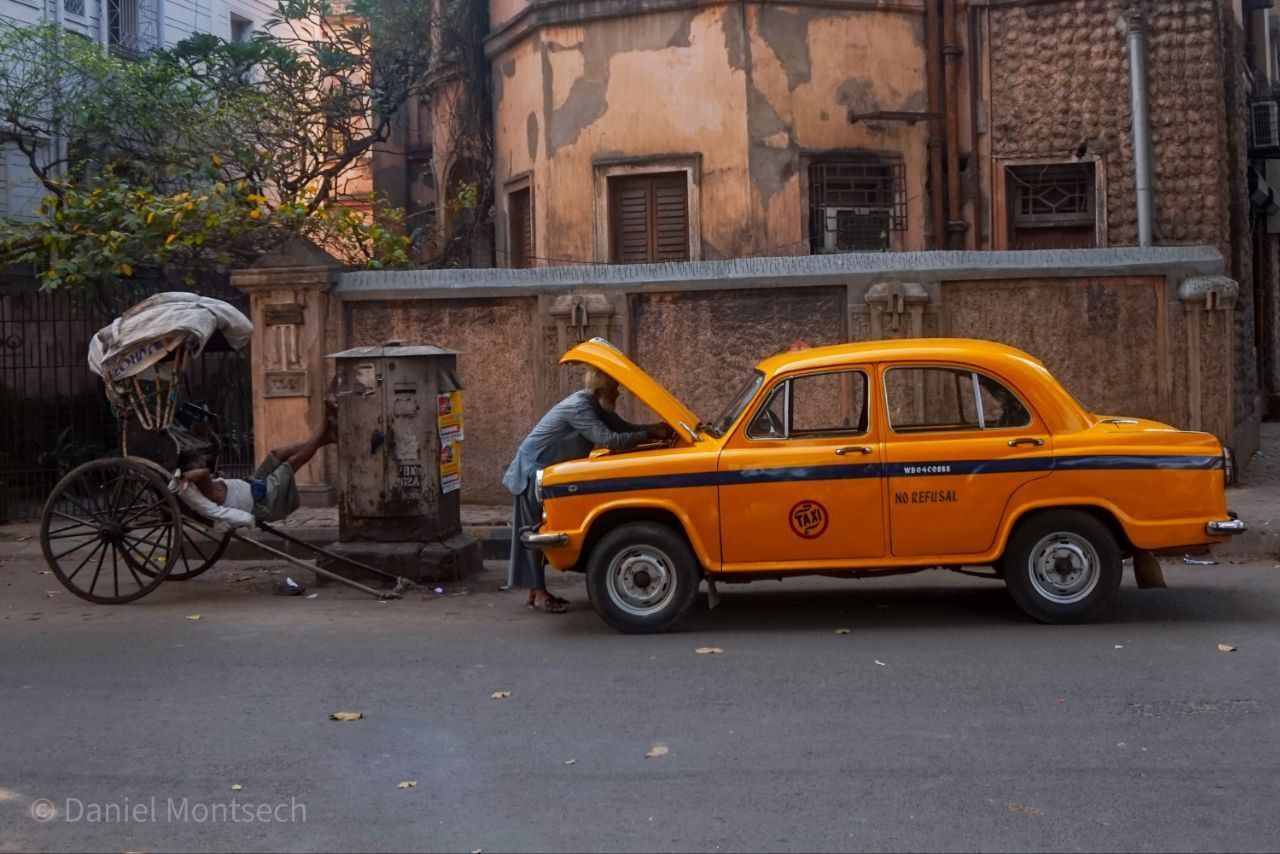
Portraits? It can work. Landscapes? With good light and some editing, sure. Video, street photography, daily shooting, vlogging? That’s its natural habitat.
Sample images
Portrait



Landscape



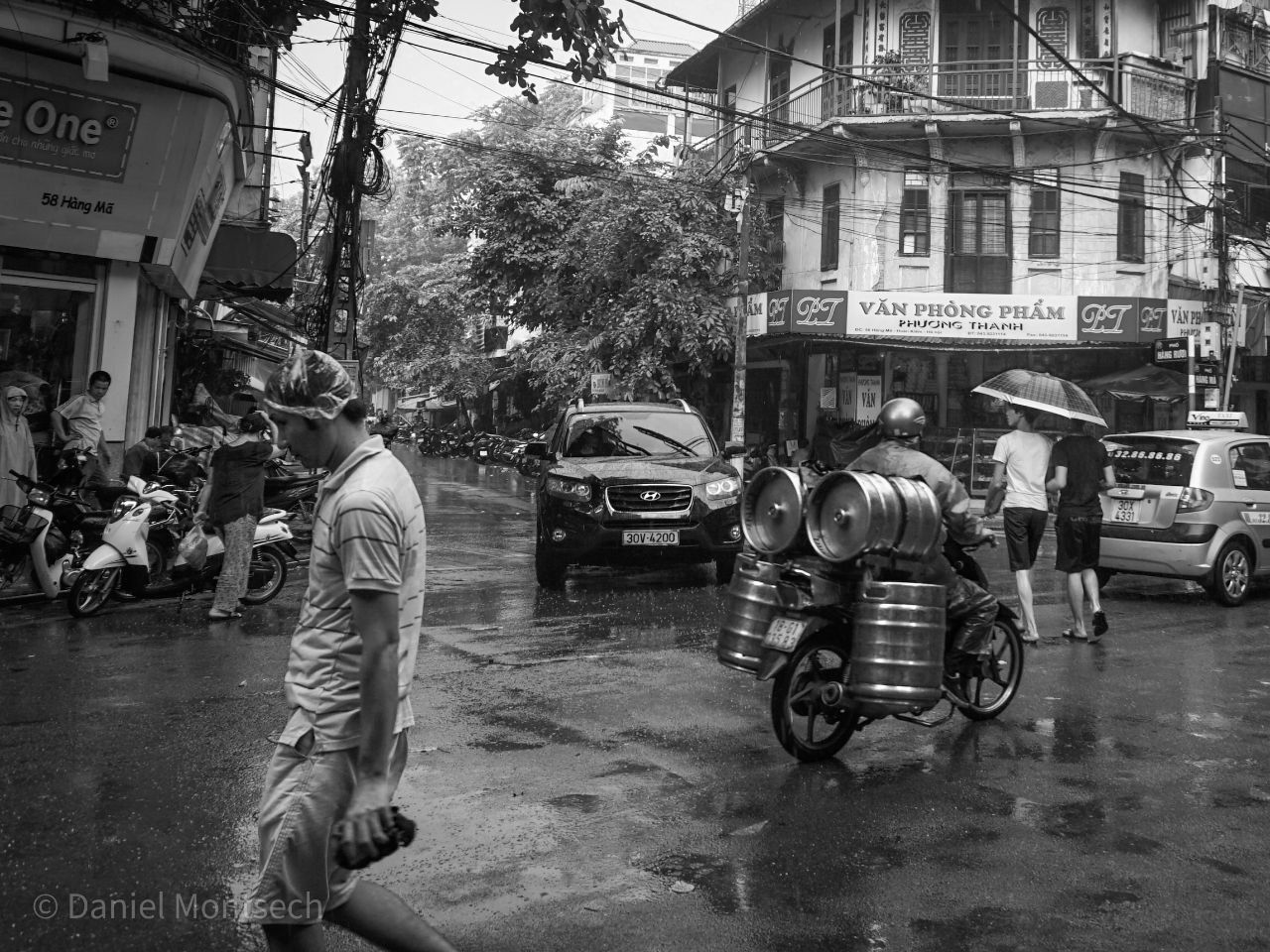
Street photography



What if we compare?
Within Sony’s APS-C ecosystem, the 16-50mm competes with several zooms that, although pricier or bulkier, offer a clear performance leap.
One of the most complete is the Tamron 17-70mm f/2.8 Di III-A VC RXD (Amazon link). With a constant f/2.8 aperture, optical stabilization, and a focal range covering from true wide-angle to short telephoto, it’s arguably the most all-around zoom for APS-C. It delivers better sharpness across the range and strong performance in both photo and video. However, it’s larger, heavier, and less discreet, which affects portability.
The Sigma 18-50mm f/2.8 DC DN Contemporary (Amazon link) has gained many fans for its excellent size-quality-price ratio. It offers image quality well above the 16-50, with fast autofocus, good sharpness from f/2.8, and a truly compact design. It lacks optical stabilization but paired with IBIS cameras it’s a very balanced alternative. Weather-sealed only at the mount.
The Sony 18-135mm f/3.5-5.6 OSS (Amazon link), on the other hand, significantly extends the reach without sacrificing too much weight. It’s sharper than the 16-50 over most of the range, focuses quickly, and retains optical stabilization (OSS). Although it lacks a constant aperture and weather sealing, its range makes it a very versatile choice for those who prefer one lens for everything, especially when traveling. However, it’s noticeably longer even when retracted, which hurts portability and discretion.
It’s also worth noting that many APS-C users opt for full-frame lenses for their better quality and build, despite the crop factor. The most suitable in that case is the Sony FE 20-70mm f/4 G (Amazon link), which offers good sharpness, fast focusing, and decent weather sealing — a great travel companion… though at a much higher price and with a very limited wide-angle end due to the crop factor (APS-C equivalent: 30–105 mm).
Given the options, it’s clear the 16-50 II still has important advantages: much lower price, featherweight, automatic retraction, and built-in stabilization — a perfect combo for those looking for a cheap lens to keep mounted all the time without worrying about bulk or complexity, even if it means a compromise in image quality.
Move the table to the left
| Lens | Format | Stabilized | Weight | Weather Sealing | Advantages |
|---|---|---|---|---|---|
| Sony 16-50mm f/3.5-5.6 OSS II | APS-C | Yes (OSS) | 107 g | No | Very compact, cheap, retractable |
| Tamron 17-70mm f/2.8 Di III-A VC RXD | APS-C | Yes (VC) | 525 g | Dust and splash resistant | Versatile, sharp, ideal for all use |
| Sigma 18-50mm f/2.8 DC DN Contemporary | APS-C | No | 290 g | Sealed only at mount | Very good optical quality and fast focus |
| Sony FE 20-70mm f/4 G | Full Frame | No (only IBIS) | 488 g | Dust and splash resistant | Great optical quality, focus, and build |
| Sony 18-135mm f/3.5-5.6 OSS | APS-C | Yes (OSS) | 325 g | No | Very wide focal range, good sharpness and stabilization |
Conclusion
The Sony 16-50mm f/3.5-5.6 OSS II remains a very valid option as an entry-level or secondary lens. It’s not outstanding, but it’s practical and gets the job done.
Who is it for? For those who want to travel light, shoot without complications, and cover a basic zoom range with good stabilization and reliable focusing without spending too much.
Is it worth it? Yes, if you know what you’re buying. But if you prioritize image quality, demanding editing, large-format printing, or working in tough conditions, you’d probably be better off looking at something more robust. For that, you can check out our guide to weather-sealed zoom lenses for Sony.
Sony 16-50mm f/3.5-5.6 OSS II
Specs
- Focal length: 16–50 mm (equivalent to 24–75 mm in full-frame format)
- Angle of view: 83°–32° (on APS-C)
- Aperture: f/3.5–5.6 (maximum) to f/22–36 (minimum, depending on focal length)
- Minimum focus distance: 25 cm
- Maximum magnification: 0.215x
- Weight and dimensions: 107 g, 64.7 x 29.9 mm (retracted)
- Compatibility: Sony E (APS-C)
- fotografiamacro.org participa en el programa de afiliados de Amazon y obtiene ingresos por las compras adscritas que cumplen los requisitos aplicables.