


The Olympus Zuiko 30mm f/3.5 macro is a very compact and lightweight lens for Micro Four Thirds cameras, introduced just before Photokina 2016. It offers a maximum reproduction ratio of 1.25:1, a silent mechanism, and a minimum focusing distance of 9.5 cm. Additionally, it is compatible with the focus bracketing and focus stacking functions of Olympus / OM System cameras.

Specs
- Focal length: 30mm (equivalent to 60mm in full frame)
- Angle of view: 40°
- Aperture: f/3.5 to f/22
- Minimum focusing distance: 9.5 cm
- Maximum magnification: 1.25:1
- Weight and dimensions: 128 g, 57 x 60 mm
- Compatibility: Micro Four Thirds
Build Quality and Design
The lens is extremely compact and lightweight, weighing only 128 grams and measuring 57 x 60 mm. It is mostly made of plastic, although the mount is metal. The design is simple, with a wide, ribbed manual focus ring that has no hard or soft stops at either end. The focusing is fully internal, so the lens barrel does not extend. It is not weather-sealed.
Optical Performance
- Sharpness: Excellent sharpness in the center from f/3.5 to f/11, decreasing to very good at f/16 and acceptable at f/22 due to diffraction. Edge image quality is very good from f/3.5 to f/16, dropping to acceptable at f/22.
- Chromatic Aberration: Chromatic aberrations are very well controlled, with minimal blue or purple fringing at high-contrast edges.
- Distortion and Vignetting: Geometric distortion is very low, close to zero. At maximum aperture (f/3.5) there is noticeable corner light falloff, which quickly improves when stopping down the aperture.
- Bokeh: The lens uses a seven-blade rounded iris diaphragm resulting in pleasant but not exceptional bokeh. Out-of-focus details have a relatively smooth appearance.
Focus
The autofocus system is fast, accurate, and quiet, which is an advantage for macro photography and video recording. The manual focus ring is large relative to the size of the lens, and although it is not mechanically coupled to the focusing elements, it offers quite smooth and precise control.
Usability and Versatility
- Versatility: Suitable for macro photography, portrait, street photography, everyday photography, or food photography. Focus capability from infinity to ultra-close macro.
- Portability: Extremely compact and lightweight, ideal for photo outings or travel.
- Accessory Compatibility: 46mm filter thread size, although a lens hood is not included.
Additional Features
The lens is compatible with Olympus / OM System’s focus bracketing and focus stacking functions, which is a great advantage for macro photography. However, it does not have built-in image stabilization, something Panasonic camera users without in-body stabilization should consider. The lens does not include a distance scale or magnification indicator.
Comparison of the Zuiko 30mm f/3.5 and the Zuiko 60mm f/2.8
You might be debating between the Zuiko 30mm and the Zuiko 60mm macro lenses. Here’s a summary of the differences:
- Working distance: The Zuiko 60mm offers a significant advantage here. With a working distance twice that of the 30mm, it’s ideal for photographing small subjects like insects and spiders without disturbing them.
- Dust and splash resistance: Unlike the Zuiko 30mm, the Zuiko 60mm is weather-sealed, making it a better choice for shooting in harsh environments.
- Magnification: The Zuiko 30mm stands out for its higher magnification ratio. If you want to capture extremely small details, this is a slight advantage.
- Versatility: Although both are macro lenses, the focal length of the Zuiko 30mm is more versatile. It can be used for macro, social photography, portraits, street photography, landscapes, and food photography, whereas the Zuiko 60mm is mostly limited to macro and portraits.
- Optical quality: Both lenses deliver very good optical performance, and the difference in image quality isn’t very noticeable. The Zuiko 30mm produces sharp images with good contrast and realistic colors, while the Zuiko 60mm is slightly sharper and has better bokeh.
- Autofocus: The Zuiko 30mm outperforms the Zuiko 60mm f/2.8 in autofocus speed at both close focusing distances and conventional shooting ranges. This is due to its shorter focal length and simpler optical design.
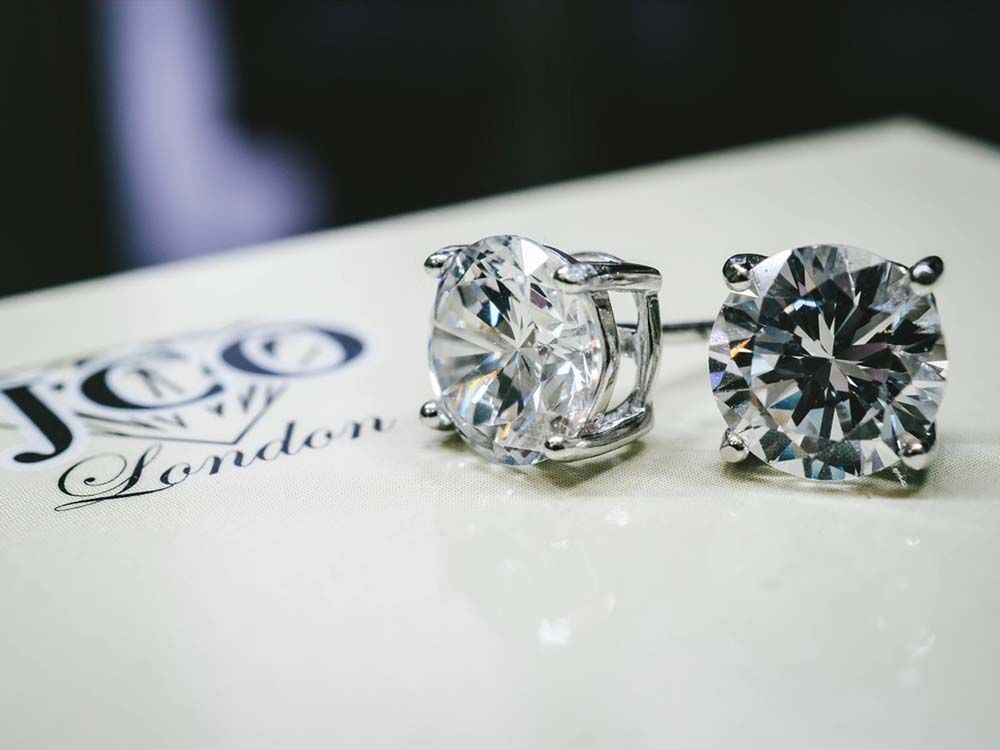
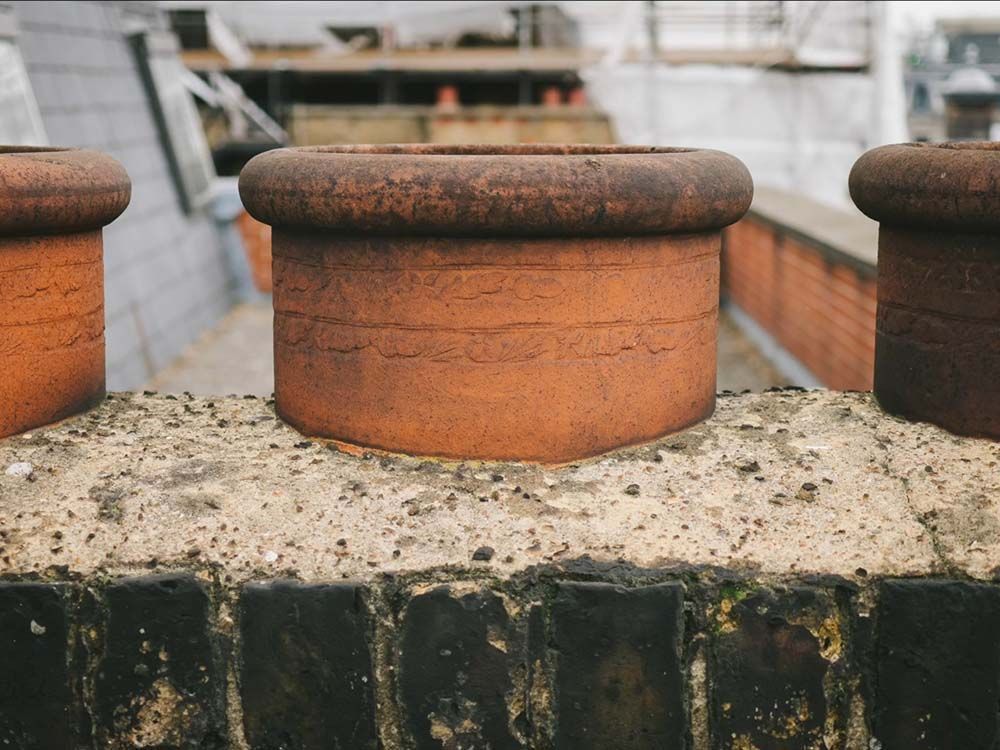
Photos taken with the Zuiko 30mm F3.5



Conclusion
The Olympus M. Zuiko Premium 30mm f/3.5 Macro ED is an appealing choice thanks to its uncommon yet versatile focal length, good performance, and excellent value for money. Although it lacks some useful macro photography features like focus and depth of field scales, and it is not sealed against dust and splashes, it will not disappoint those looking for an affordable lens that delivers good image quality.
Pros
- High sharpness
- Low chromatic aberration
- Almost no distortion
- High magnification
- Fast and accurate autofocus
- Pleasant bokeh
- Compatible with Olympus focus bracketing and focus stacking features
Cons
- Not weather-sealed
- No focus scale
- No depth of field scale
- Prone to halos when used without a lens hood
Zuiko 30mm F3.5
Other macro lenses for Olympus / OM System and Micro Four Thirds
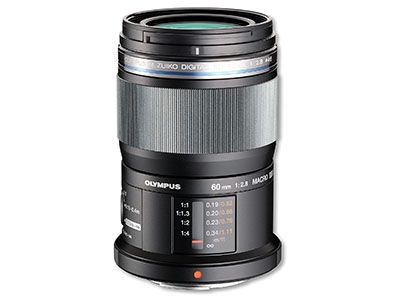
Zuiko 60mm F2.8
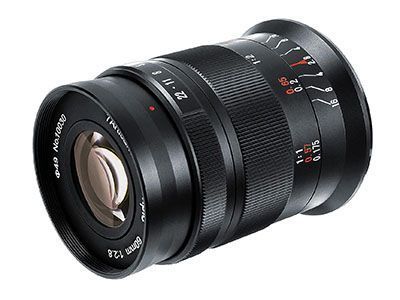
7artisans 60mm F2.8
- As an Amazon Associate, this website earn from qualifying purchases.